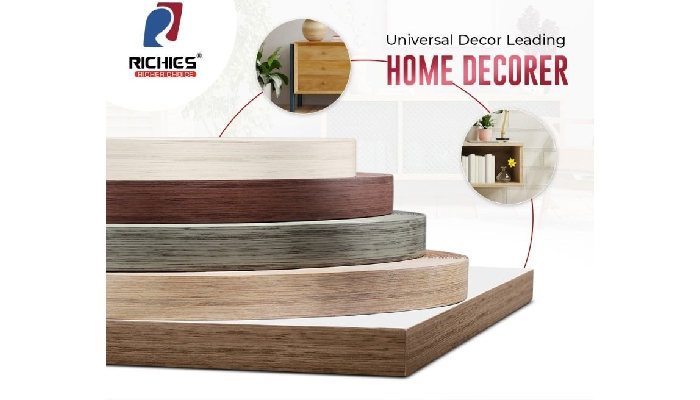
Furniture edge banding tape plays a crucial role in modern interior design, providing a sleek and polished look while ensuring durability. This simple yet effective material is applied to the edges of furniture pieces, including cabinets, shelves, and tables, to create a finished aesthetic and prevent wear and tear. Whether you are revamping old furniture or creating a custom design, choosing the right furniture edge banding tape can significantly impact the overall appeal of your interiors. With the evolution of design trends, edge banding has transitioned from a purely functional element to a key decorative feature that enhances furniture aesthetics in both residential and commercial spaces.
Why Does Furniture Edge Banding Tape Matter?
Edge banding serves multiple purposes beyond enhancing aesthetics. It protects the edges of furniture from moisture, chipping, and general damage while also improving safety by smoothing sharp edges. In addition, it provides a seamless transition between furniture surfaces, making the design look more cohesive. The right edge banding tape can elevate a piece of furniture, complementing existing decor themes and adding sophistication.
With modern technology, edge banding now comes in various materials, textures, and colors, allowing homeowners and designers to experiment with unique styles. Whether opting for minimalist designs or bold patterns, furniture edge banding tape offers limitless possibilities to match diverse decor preferences.
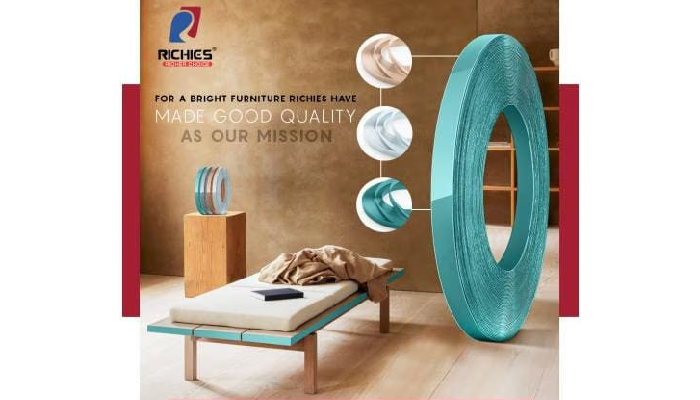
Popular Materials For Furniture Edge Banding Tape
Selecting the right material is key to achieving a trendy and durable finish. Some of the most common materials for furniture edge banding tape include:
1. PVC Edge Banding
PVC (Polyvinyl Chloride) edge banding is one of the most widely used materials due to its affordability, flexibility, and durability. It is resistant to moisture, making it ideal for kitchen cabinets, bathroom vanities, and office furniture. PVC edge banding is available in various finishes, including high-gloss, matte, and wood grain textures, allowing it to mimic natural materials effortlessly.
2. ABS Edge Banding
A more eco-friendly alternative to PVC, ABS (Acrylonitrile Butadiene Styrene) edge banding is lightweight and recyclable. It offers similar durability and flexibility but lacks chlorine, making it a safer and more sustainable option. ABS edge banding is popular in green furniture manufacturing, especially in modern and contemporary interiors.
3. Veneer Edge Banding
For those who prefer natural aesthetics, veneer edge banding is an excellent choice. Made from thin slices of real wood, it provides an authentic wood grain look, making it perfect for high-end furniture and luxury interiors. Veneer edge banding can be stained, painted, or lacquered to match different finishes, allowing for greater customization.
4. Melamine Edge Banding
Melamine edge banding is a cost-effective option that offers a smooth and durable finish. It is available in various solid colors and patterns, making it a versatile choice for furniture customization. While melamine is not as flexible as PVC, it provides a clean and professional look when applied correctly.
5. Acrylic Edge Banding
For a contemporary and high-gloss effect, acrylic edge banding is the go-to option. It adds a luxurious touch to furniture pieces, creating a seamless, mirror-like finish. This type of edge banding is commonly used in modern kitchens, office spaces, and designer furniture to achieve a sleek and sophisticated look.
Trendy Edge Banding Designs For Modern Interiors
The evolution of furniture design has led to innovative trends in edge banding styles. Here are some of the most popular edge banding designs that can enhance the appearance of your furniture:
1. Two-Tone Edge Banding
Two-tone edge banding creates a striking contrast by using a different color or material for the edges. This design is perfect for modern and contemporary furniture, adding a touch of uniqueness and visual interest. For example, pairing a white tabletop with black or metallic edge banding can create a chic look.
2. Textured Edge Banding
Textured edge banding adds depth and character to furniture by incorporating natural or synthetic textures. This trend is especially popular in rustic and industrial-style interiors. Wood grain textures, fabric-inspired patterns, and stone-like finishes can give furniture a unique tactile appeal.
3. Metallic Edge Banding
Metallic edge banding introduces an element of luxury and sophistication. Gold, silver, or bronze edge banding pairs well with high-end furniture pieces, enhancing their elegance. This trend is commonly seen in upscale office furniture and premium home decor.
4. High-Gloss Edge Banding
High-gloss edge banding is a favorite in modern minimalist interiors, providing a sleek and polished finish. It works exceptionally well with acrylic and lacquered surfaces, creating a smooth and reflective effect that enhances the overall aesthetics of furniture.
5. Transparent Edge Banding
Transparent edge banding offers a seamless and minimalist design by blending effortlessly with the furniture surface. This trend is particularly popular in glass and acrylic furniture, where maintaining a clean and unobtrusive look is essential.
6. Custom Printed Edge Banding
With advancements in digital printing, custom-printed edge banding allows homeowners and designers to incorporate personalized patterns, logos, or images into their furniture design. This option is perfect for branding in commercial spaces or creating unique decor statements in homes.
How To Choose The Right Furniture Edge Banding Tape?
When selecting furniture edge banding tape, consider the following factors:
1. Material Compatibility
Ensure the edge banding material complements the furniture’s surface and withstands environmental conditions. For high-moisture areas, PVC or ABS edge banding is a better option, while veneer edge banding is ideal for wooden furniture.
2. Color and Finish
Choose an edge banding tape that enhances the overall aesthetic of your furniture. If you prefer a subtle look, opt for matching or transparent edge banding. For a bold statement, contrast colors or textures can add visual appeal.
3. Durability and Maintenance
Some materials are more durable than others. PVC and ABS edge banding are highly resistant to moisture and scratches, while veneer requires more maintenance. Consider the longevity and upkeep before making a decision.
4. Application Method
Edge banding tape can be applied using hot-melt adhesive, pre-glued backing, or a manual press. Choose an application method that suits your skill level and project requirements.
Conclusion
Furniture edge banding tape is a game-changer in modern interior design, offering both functional and aesthetic benefits. With a variety of materials, colors, and finishes available, edge banding can transform the look of furniture, adding durability and sophistication. Whether you prefer a minimalist approach or bold decorative elements, trendy edge banding designs provide endless possibilities to enhance your furniture’s appearance. By selecting the right edge banding tape and applying it creatively, you can elevate your furniture’s design and achieve a stylish, polished look that complements your space.

Hi, I’m Brandon Roy, a passionate blogger with a keen interest in business, technology, and travel. Residing in the vibrant United States, I immerse myself in the ever-evolving world of entrepreneurship, latest tech trends, and exploring diverse cultures. Join me on my journey as I share insights, experiences, and tips through my dynamic blog.